Home › Commercial Brick Veneer Systems
We install commercial brick veneer systems in Jersey City, NJ including anchored veneers and panel systems for offices, schools, and multifamily buildings. Our team coordinates with other trades to ensure proper support, flashing, and weatherproofing. Request a brick veneer systems proposal today.
Superior Masonry Jersey City provides professional commercial brick veneer throughout Jersey City, NJ, New Jersey and the surrounding area. Our licensed, insured crew delivers safe, clean, on-time work with a free estimate before anything begins. Call (551) 400-8767 or request your free quote.
Commercial Brick Veneer Systems for Jersey City Properties
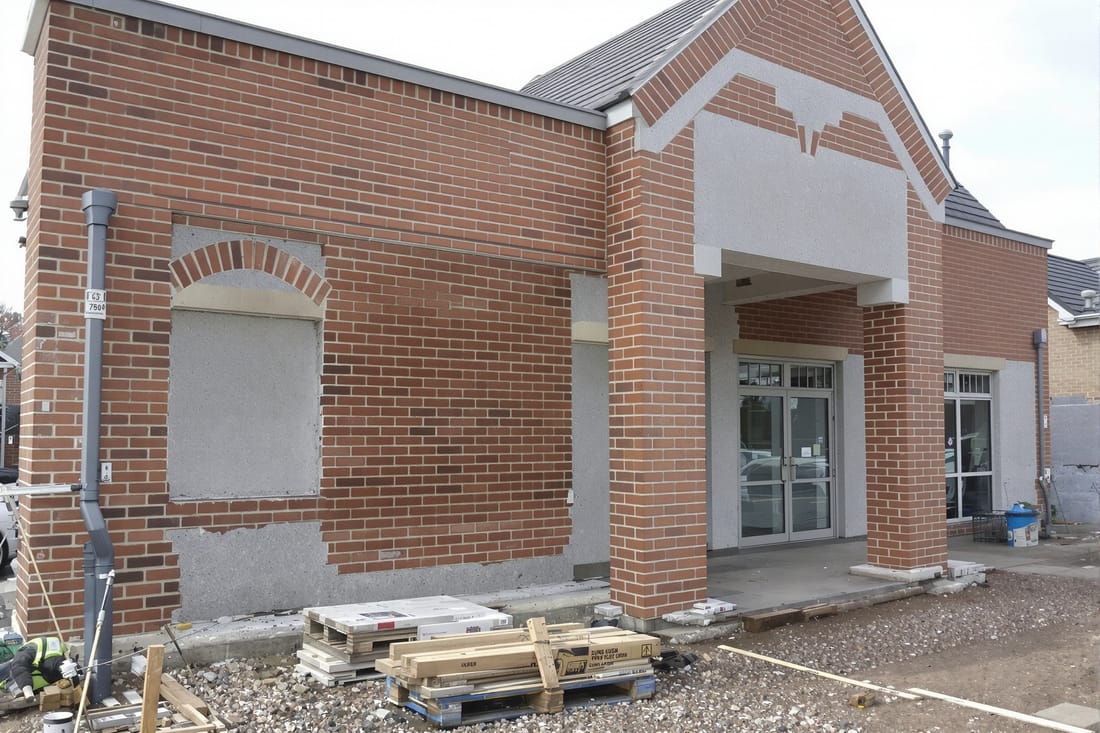
Commercial brick veneer gives Jersey City buildings the look and durability of brick without the weight and structural demands of full masonry walls. Superior Masonry Jersey City designs and installs anchored and adhered veneer systems that meet local building codes, handle waterfront weather, and stand up to daily commercial use.
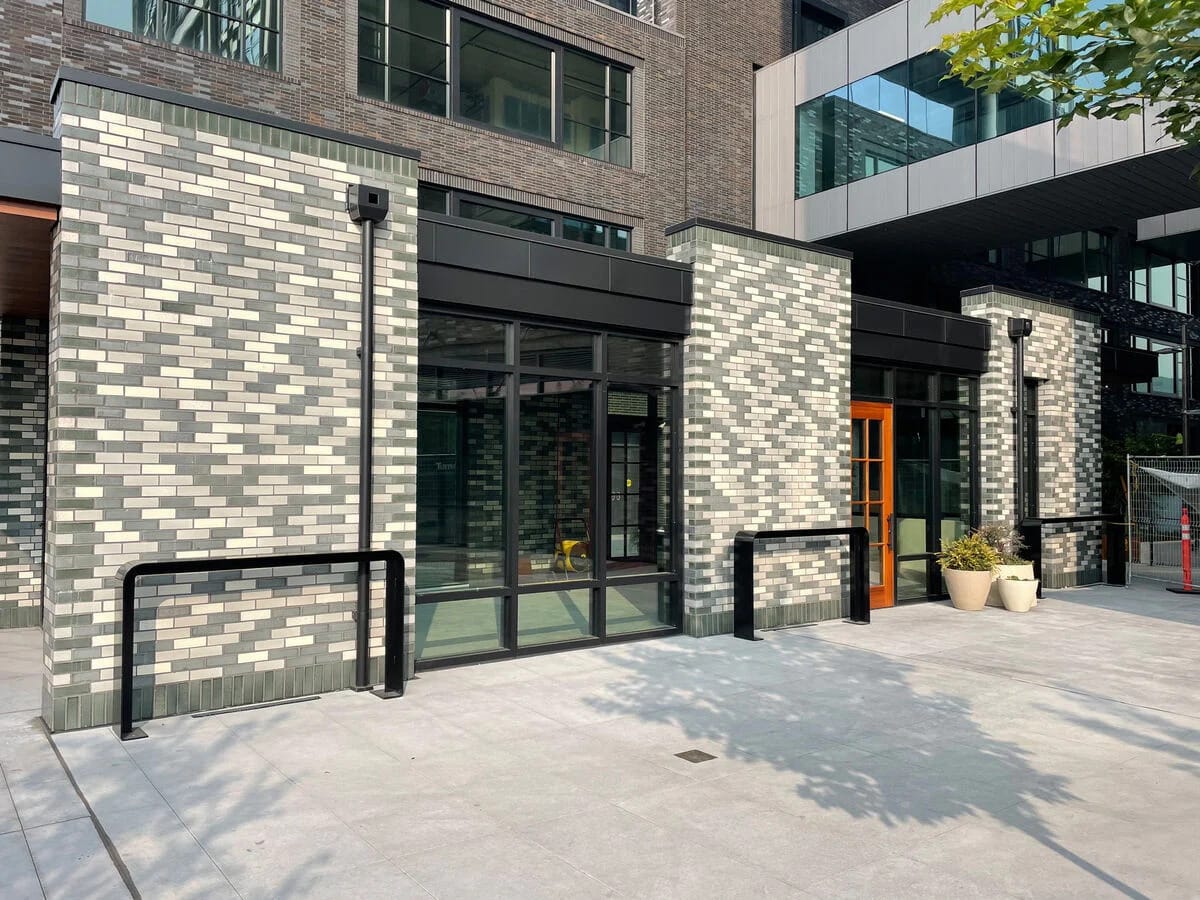
On this service, we typically work on storefront refreshes, multi story mixed use facades, school and institutional buildings, and office or industrial exteriors. Many clients call us when they need to modernize aging facades along Newark Avenue, West Side Avenue, and around Journal Square, or when they want a durable, low maintenance finish for new construction near the waterfront.
Our team handles the full scope: evaluation of existing structure, substrate preparation, vapor and moisture control, anchoring layout, veneer installation, and final tooling and sealing. We coordinate with your architect, engineer, or GC, or we can work directly with owners and property managers who need a practical, code compliant solution without unnecessary complications.
How a Commercial Brick Veneer Project Actually Works
A commercial brick veneer job always starts with a site visit. We look at existing walls, access, and movement joints, and we check exposure to wind and salt near the Hudson. For retrofit projects, we examine the condition of the sheathing or masonry backup and identify any water intrusion or spalled areas that must be repaired before veneer goes on.
Next, we review plans or create a basic layout that covers coursing, control joints, window heads and sills, and transitions to other claddings like metal panels or EIFS. Superior Masonry Jersey City confirms brick dimensions, thickness, and bond pattern, and we coordinate with structural engineers if anchor loads or seismic requirements need calculations.
During installation, we typically proceed in this order: backup repairs and framing (if needed), weather resistive barrier (WRB) installation, flashings at base, openings, and shelf angles, weep systems, anchor layout, insulation (if part of the assembly), and then brick setting. Mortar joints are tooled only after initial set to create a consistent profile and reduce hairline cracking. Throughout the job we protect windows, walkways, and neighboring properties to avoid mortar staining and debris issues typical of tight Jersey City lots.
We finish with joint sealant at required interfaces, cleaning with the correct masonry cleaner for the specific brick type, and a walk through with the owner or GC to confirm details and discuss maintenance points like sealant life and inspection of flashings.
System Options: Anchored, Adhered, and Panelized Veneer
The right commercial brick veneer system depends on building height, structure, and schedule. Superior Masonry Jersey City installs three main categories: anchored veneer, adhered veneer, and panelized/composite veneer systems.
Anchored brick veneer is the standard for multi story commercial work in Jersey City. A structural backup wall (concrete, CMU, or metal stud with sheathing) supports adjustable anchors and shelf angles. We maintain a proper air space, usually 1 to 2 inches, for drainage and ventilation. This approach handles taller facades, wind loads along the waterfront, and long term movement without excessive cracking.
Adhered brick veneer (thin brick) is common on lower story storefronts, interior lobby walls, and where structural capacity for a full brick veneer is limited. Thin brick is bonded to a prepared substrate with a mortar or polymer modified setting bed. We pay close attention to substrate flatness and use appropriate lath and scratch coats where required so the veneer does not debond.
Panelized systems use factory mounted thin brick on metal or composite panels. These help when job sites are tight or schedules are compressed, which is common on infill projects in busy parts of Jersey City. Panels reduce on site labor but have different detailing for joints, terminations, and penetrations that we coordinate carefully to avoid water issues.
Design Choices: Brick, Mortar, and Detailing for Jersey City Conditions
Brick veneer design is not just color. The combination of brick unit, mortar color, joint profile, and detailing has a major impact on appearance and performance. Superior Masonry Jersey City walks clients through physical samples, not just brochures, because natural light on your actual site can change how a brick looks compared to showroom lighting.
For coastal exposure along the Hudson and open areas like Liberty State Park, we recommend brick with lower absorption and proven freeze thaw resistance, and mortars with the right balance of strength and flexibility. Joint profiles matter: concave and V joints shed water better than raked joints, which is important on wind driven rain sides of a building.
We also pay close attention to details like soldier courses above windows, rowlock sills, and transitions to storefront systems. In Jersey City, a common issue is poorly flashed brick above old steel lintels that have started to rust and expand. On renovation work we replace or encapsulate these lintels, add through wall flashings and end dams, and create proper drip edges so water does not track back into the wall.
Color consistency is another concern on commercial projects. We order brick in a single production run if possible and blend units from multiple pallets during installation so any minor color variation is evenly distributed instead of creating visible bands on the facade.
What Drives Cost and Timeline for Commercial Brick Veneer
Commercial brick veneer pricing in Jersey City is affected mostly by access, height, detailing complexity, and substrate condition. Straight runs of wall at ground level are less expensive per square foot than upper stories that require suspended scaffolding or complex sidewalk protection over busy streets.
Existing conditions can change the budget. If the backup wall is out of plumb, deteriorated, or has previous uncontrolled leaks, we must correct those issues before veneer can go on. Ignoring them results in cracked veneer and trapped moisture. Superior Masonry Jersey City gives clear line items for substrate repairs so owners can see what is required vs what is optional.
Architectural details, such as deep recesses, projections, corner returns, and integrated signage, require more layout and cutting time. While these features can make a facade stand out along commercial corridors like Summit Avenue or Communipaw Avenue, they should be designed with both aesthetics and cost in mind.
Schedule is also a factor. Winter work near the Hudson can require heated enclosures and cold weather masonry procedures, including controlled mortar temperatures and protection during curing. These add cost but are crucial to long term performance. We are upfront about whether a winter schedule is realistic or if some operations should be shifted to milder months to avoid quality issues.
Local Issues, Code Requirements, and How We Avoid Common Failures
Poorly detailed or rushed commercial brick veneer often fails at the same points: missing flashings, clogged or absent weeps, improper anchor spacing, and no allowance for movement. In Jersey City we see a lot of older buildings where veneer was installed directly over questionable substrates with little thought about how water would exit the wall.
Superior Masonry Jersey City follows current New Jersey building codes and manufacturer requirements for veneers, including minimum air space, specified anchor types and spacing, and jointing strategies. We make sure there are continuous flashing systems at base of wall, above openings, and at shelf angles, and that those flashings actually project to the exterior with end dams so water cannot run off into the cavity.
Wind exposure along the waterfront and on taller residential or office towers requires careful anchor selection. We use corrosion resistant anchors rated for the design loads, and we verify embedment into the backup material, not just sheathing, which is a common error on rushed jobs.
For owners and property managers, we also outline a basic maintenance plan: visual inspection of sealant joints every few years, checking weep vents for blockage, and watching for early signs of movement like stepped cracking near corners. When we complete a project, we provide details on the veneer assembly and the products used, so any future repairs or modifications can be done without guessing what is inside the wall.