Home › Masonry Restoration and Historic Preservation
We perform historic masonry restoration in Jersey City, NJ on landmark brick and stone buildings. Our services include gentle cleaning, mortar analysis and matching, unit replacement, and stabilization techniques that respect original design. Schedule a historic masonry preservation review today.
Superior Masonry Jersey City provides professional historic masonry restoration throughout Jersey City, NJ, New Jersey and the surrounding area. Our licensed, insured crew delivers safe, clean, on-time work with a free estimate before anything begins. Call (551) 400-8767 or request your free quote.
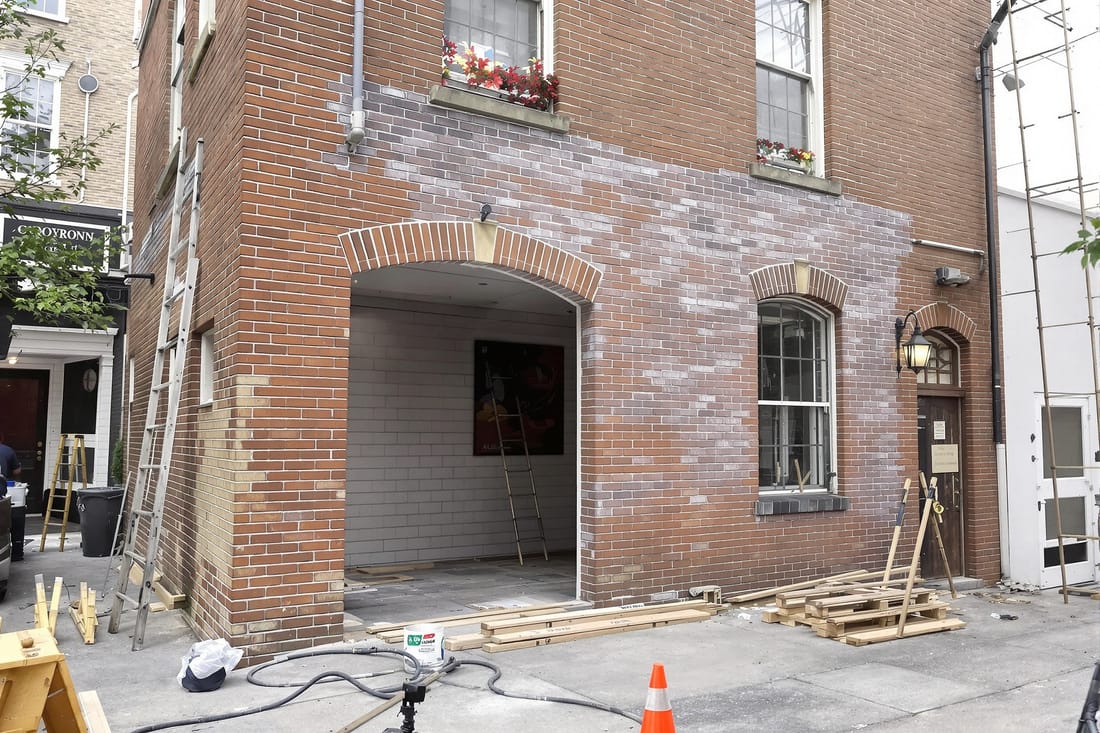
Careful masonry restoration for Jersey City’s older buildings
Older brick and stone buildings in Jersey City are sturdy, but the waterfront climate, salt in the air, and freeze-thaw cycles take a slow toll on the masonry. Superior Masonry Jersey City focuses on historic masonry restoration, which means repairing and preserving existing walls, not replacing them with something that looks “sort of similar.” We work to keep your building safe, dry, and true to its original character.
Before any work starts, we walk the property with you and look closely at the masonry. We check for loose or spalling brick, cracked or missing mortar joints, stains from water intrusion, bowed or bulging walls, and prior patch jobs that are failing. On brownstones and older row houses, we pay particular attention to window lintels, stoops, cornices, and parapet walls, because that is where water and winter ice usually find their way in first.
Every building is different. A 120 year old Paulus Hook row house, a Lafayette brick warehouse converted into condos, and a Journal Square church all have different brick, stone, and mortar profiles. We take photos, note patterns, and identify which areas are urgent safety issues and which are longer-term preservation concerns. That assessment tells us what scope of work makes sense and what can be phased over time if budget is a concern.
How true historic masonry restoration is actually done
Historic masonry restoration is not just “repoint and repaint.” It is a detailed process meant to extend the life of the original materials. Superior Masonry Jersey City typically follows a clear sequence so nothing is rushed or skipped.
Step 1 is investigation and testing. For older structures we often remove a small section of mortar to see its composition, color, and hardness. Many pre World War II buildings in Jersey City used lime-based mortar, which is softer and more flexible than modern Portland cement mixes. Using a mortar that is too hard can crack or crush older brick. Where needed, we can have a mortar sample analyzed to match it closely.
Step 2 is careful removal of failed joints and materials. We do not grind aggressively into the brick faces, which is a common shortcut that permanently scars a facade. Instead, we use hand tools or small grinders with depth control, and we only remove what is loose, cracked, or deteriorated. On historic stone, we pay special attention to edges and carved details so they are not rounded off.
Step 3 is repair and replacement. Loose bricks are reset, not just mortared in place. Severely damaged bricks or stones are replaced with units that match the size, color, and texture as closely as is practical. Sometimes this means sourcing reclaimed brick from regional suppliers to get a good match, especially for older row houses and factory buildings.
Step 4 is repointing. Joints are packed in layers with compatible mortar, then tooled to match the original joint profile (for example, concave, flush, or slightly struck). The appearance of the joint line is a big part of what makes a building’s facade look “right” or “off,” so we do sample sections and get your approval before running the whole wall.
Step 5 is cleaning and protection. We use cleaning methods that match the masonry type, from low-pressure water washing to approved masonry cleaners designed for historic surfaces. Harsh sandblasting is avoided because it strips the protective outer surface of brick and stone. Where appropriate, we can apply breathable water repellents that help block moisture without trapping vapor in the wall.
Local conditions, timing, and common Jersey City masonry problems
Jersey City’s climate is hard on masonry. Salt-laden air from the Hudson, driving rain, and repeated freeze-thaw cycles in winter all speed up deterioration. Superior Masonry Jersey City plans historic masonry restoration projects around this reality, not around a generic calendar.
Freeze-thaw is the big one. Water gets into hairline cracks or porous brick, then expands when it freezes, which leads to spalling (the face of the brick flaking off), widening cracks, and loose masonry. That is why we aim to do major repointing and brick replacement when temperatures stay above freezing, so new mortar cures slowly and properly instead of being shocked by ice.
We also watch wind load and water paths on taller buildings. On structures closer to the waterfront or on open corners, wind-driven rain can force water deep into joints that would stay dry on a sheltered block. When we inspect, we do not just look at what is damaged, we look at where the water is coming from. That might point to issues with coping stones, flashing at rooflines, or poorly sealed window and door openings.
In many Jersey City neighborhoods, older facades have also been painted or coated with non-breathable products over the years. These coatings can trap moisture inside the brick, which then tries to exit through the weakest points, usually causing blistering and more spalling. As part of our evaluation, we decide whether coatings should be gently removed or left in place, and we explain the pros and cons clearly so you can make an informed choice.
Timing matters for logistics too. On busy streets or tight alleys, we coordinate not only with the city for permits, but also with neighbors for access, scaffolding, or sidewalk protection. Historic masonry restoration projects often involve multiple visits and curing time, so planning out how we stage the job keeps disruption and risk to a minimum.
Costs, options, and how to keep a historic facade from failing again
The cost of historic masonry restoration varies widely, and Superior Masonry Jersey City is upfront about what drives it. The main factors are access, severity of damage, materials required, and whether the work is straightforward repair or historically sensitive preservation that must match original details.
Access affects labor and equipment. A low row house front that we can reach from simple pipe scaffolding or ladders is much less expensive per square foot than a multi-story corner building that requires full scaffolding or suspended platforms. Tight backyards, shared driveways, and roof access can all change costs.
The condition of the existing masonry is next. Cleaning and repointing mildly eroded joints on a stable wall is very different from stabilizing a bulging facade where bricks have shifted. Structural issues may require interior bracing, new lintels, or rebuilding sections of wall, which adds both engineering and labor.
Material matching also plays a role. Reclaimed or custom-sized brick, carved stone repairs, or historically accurate lime mortar mixes all cost more than standard modern products. We present options. For example, on a secondary side wall that is not street-facing, some owners choose a simpler repair approach and reserve precise matching for the main facade to keep the overall budget manageable.
To keep a restored facade from failing again, we focus on water management. That may include repointing parapet walls, resetting coping stones with proper drip edges, sealing gaps around windows and doors, and confirming that roof and balcony drainage is not dumping water directly onto the brick below. A good restoration without good drainage is only a temporary fix.
We also recommend realistic maintenance intervals. Historic masonry does not need constant attention, but it should be inspected every few years, especially after major storms. Catching small cracks or isolated spalling early is far cheaper than dealing with full-wall bulges or interior water damage later.
Working with Superior Masonry Jersey City on historic projects
Historic masonry restoration is often tied to permits, condo boards, or historic district requirements. Superior Masonry Jersey City helps you navigate that side of the job as well as the physical work.
For properties in historic districts or on landmarked streets, we can prepare basic scope descriptions, photos, and material samples that you can use for review by local boards or associations. While your architect or engineer typically handles formal submissions, we supply the technical details about mortar mixes, brick types, and methods that reviewers usually ask about.
Communication is straightforward. Before we start, we outline the sequence of work, what access we will need, and what kind of dust or noise you can expect. For multi-unit buildings, this makes it easier for you to update residents. We schedule especially noisy tasks, such as joint removal, within reasonable daytime hours and keep common areas clean and safe.
During the project, we provide progress updates and point out any unexpected conditions, such as hidden steel lintels that are more corroded than anticipated or concealed damage under paint. On historic buildings, surprises are common, so we discuss options before doing additional work, so you stay in control of cost and scope.
When we finish, we walk the job with you and review what was done, what to monitor over time, and any simple maintenance steps you or your regular building staff can handle. Our goal is that your restored brick or stone not only looks appropriate to the age of the building, but also performs better against Jersey City weather for years to come.